Do heat pumps work in cold weather?
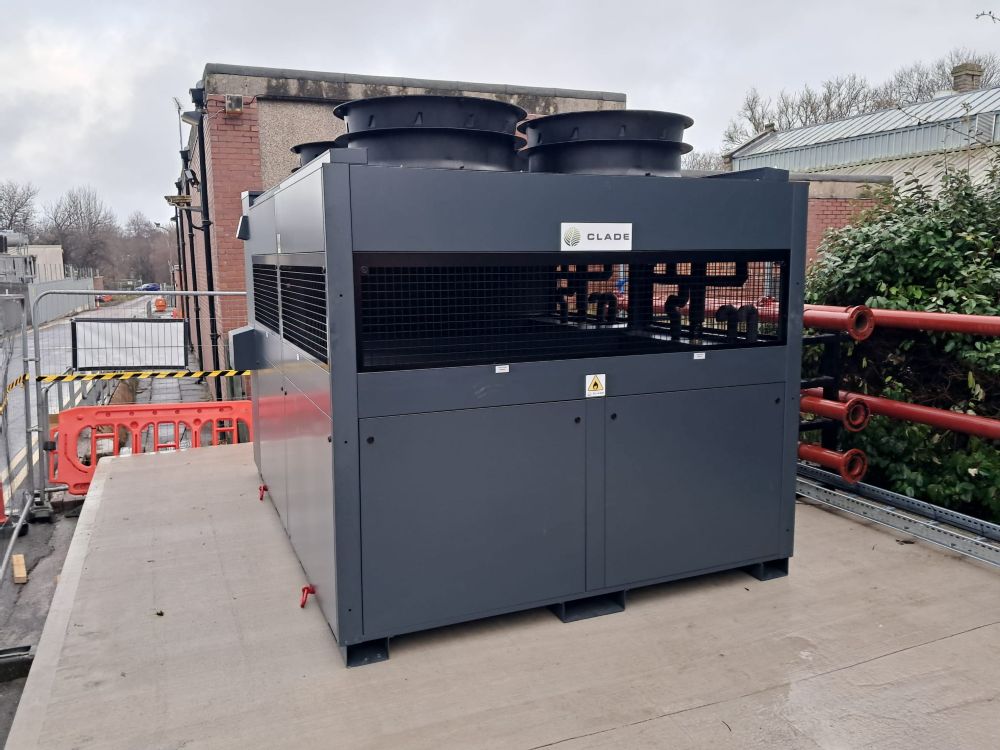
Heat pumps harness heat energy from the environment to keep buildings warm.
But what happens when temperatures drop over winter?
Luckily, heat pumps can reliably provide space heating and hot water, even in temperatures below freezing.
Here, we’ll delve into the details of how effective heat pumps can be in winter – from how they work in cold weather to how we can measure heat pump efficiency in low temperatures.
Do heat pumps actually work in cold weather?
Yes! It’s a common misconception that heat pumps aren’t effective in cold weather. But this isn’t true at all.
Rather, heat pumps have been proven to work reliably even in the coldest parts of Scandinavia, where temperatures regularly drop well below freezing.
Most heat pumps are able to work reliably in ambient temperatures as low as -10°C. But many can work as low as -25°C.
At Clade, our CO2 air source heat pumps are particularly skilled at operating in very low ambient temperatures. This is because CO2 works at a higher pressure than other refrigerants, so the compressor envelopes are much wider.
However, whether a heat pump will work efficiently for your building in cold weather isn’t something you should have to worry about. Instead, that’s your system designer’s job.
Your system designer will look at details like your heating requirements, ambient temperatures and more, before selecting the right heat pump unit and designing a bespoke system that can provide you with a consistent indoor temperature throughout the year, regardless of what’s going on outdoors.
How does a heat pump work in winter?
Air source heat pumps are designed in such a way that it doesn’t actually need to be warm outside for them to be able to extract warmth from the air.
The evaporator works to absorb the smallest amounts of heat energy in the air outside, even when it doesn’t feel warm.
This is compressed into high-grade heat by the compressor using a small amount of electricity. Then, the heat is delivered through a heating distribution system like radiators or underfloor heating in a way that feels similar to a traditional boiler.
Of course, the heat pump has to work a little harder when it’s cold outside compared to when it’s warm.
But because the heat pump isn’t generating heat from scratch – rather, it’s just transferring it from one place to another – it still uses less electricity than the heat it generates, making it an efficient method of heating.
Which brings us onto…
How efficient are heat pumps in cold weather?
Heat pumps fluctuate in efficiency throughout the year based on ambient temperatures.
Essentially, as the temperature of the air outside decreases, a heat pump’s efficiency will also decrease, as the compressor inside the heat pump will need to work harder to reach the desired flow temperature.
However, heat pumps are still a lot more efficient than your average gas boiler!
While the most efficient boilers can reach around 98% efficiency, air source heat pumps typically range between 200% and 400% efficiency, depending on ambient temperatures.
With that in mind, even in temperatures below freezing, they can often still be twice as efficient as other heating sources!
How to measure heat pump efficiency in winter
Heat pump efficiency is measured by its coefficient of performance (COP), which is the ratio of heating capacity and total power input.
The higher the COP, the more efficient the heat pump.
As a rough guide, air source heat pumps can reach COPs of 4 or even higher in warm ambient temperatures. Meanwhile, in temperatures below freezing, this might drop to 2 or lower.
A COP of 2 indicates that, at a steady rate, you’ll generate 2 kW of heating capacity by using 1 kW of electric power (assuming the heat pump is driven by an electric motor, which is usually the case).
In other words, a heat pump with this COP will still be 200% efficient, which is a lot more efficient than the best gas boilers.
That said, looking at a heat pump’s efficiency in winter alone won’t give you the full picture.
Instead, looking at a heat pump’s SCOP (seasonal coefficient of performance) will show you how your heat pump’s efficiency can be expected to average out over a full year.
It does this by summing up the heat that is generated per year and dividing it by the total electric energy use. For air source heat pumps, this is calculated by dividing the total ambient temperature range into sub-intervals and defining the duration of each.
Heat pumps should generally be expected to generate SCOPs of 2.5 or higher – meaning a year-round efficiency of 250%.
Do heat pumps freeze in cold weather?
Yes, in cold and humid weather, frost and ice can build up on your heat pump’s evaporator coils.
But this isn’t the problem you might think it is.
Modern heat pumps automatically enter a defrost cycle when this occurs, which allows them to melt the ice and continue working efficiently.
At Clade, we’re a step ahead of our competitors in the way our heat pumps defrost.
Essentially, most heat pump manufacturers use a method called reverse cycle. This involves the heat pump working in reverse and using heat that’s stored in the buffer vessel to defrost the coils – which actually takes useful heat away from your building.
On the other hand, Clade heat pumps use hot gas defrost. This is where hot refrigerant from the heat pump is put through the evaporator to defrost coils.
The big benefit here is that all the heat from your buffer vessel can be used for heating rather than defrosting, making for a more efficient system.
Plus, your building can continue to receive heat while your heat pump defrosts (as long as you’re storing enough thermal energy in your buffer to cover those defrost periods) – unlike units that use the reverse cycle method.
How to maximise heat pump efficiency in winter
There are lots of factors that go into determining the efficiency of a heat pump – from system design to the refrigerant it uses and, of course, ambient temperatures.
However, once your system has been designed and installed, its efficiency isn’t completely out of your control.
Here are two simple steps you can take to boost your heat pump’s efficiency during those cold winter months.
1. Maintenance
Properly maintaining your heat pump will help to ensure it’s working efficiently, whatever the weather.
You can keep your air source heat pump in the best condition possible by:
- Regularly checking that airflow isn’t blocked by dust or debris
- Occasionally cleaning the fan blades
- Replacing filters when needed
Most commercial heat pumps should also be serviced at least once a year and ideally twice.
During a service, the Clade aftercare team will identify and fix any issues with your heat pump that are causing it to work less efficiently – from refrigerant leaks to wear and tear or damage to components.
They can also assess your heat pump’s overall energy efficiency and may make adjustments to help reduce energy consumption.
2. Smart scheduling
How you use your heat pump system – and what you require of it – can affect your COPs.
For instance, if there’s a big heating demand at a certain time of day, this can mean your heat pump needs to work very hard for just a short window.
However, smart scheduling can help to lessen the load, especially with the right-sized thermal store.
At Clade, most of our heat pumps are also compatible with remote monitoring. This means that the Clade team can monitor your heat pump from our base in Leeds and make adjustments to ensure that it’s always operating as optimally as possible.
Is a heat pump worth it in cold weather?
Yes, a heat pump is absolutely worth it in cold weather.
Not only can a heat pump work efficiently in low temperatures, but when you average out performance across the year, its efficiency is unrivalled.
Plus, heat pumps come with a whole host of other benefits, including:
- Low energy bills
- Reliable
- Eco-friendly
- Won’t become a stranded asset (especially in the case of natural refrigerant heat pumps, which don’t contain harmful F-gases)
- Easy to control
Early adopters of heat pumps may also find that the switch helps them boost their brand reputation. After all, opting for renewables can be a great demonstration of a company’s values and care for the environment.
Talk to us about whether a heat pump could work for your business
Contrary to what you might think, heat pumps can be a good fit for most buildings and most climates.
If you want to find out whether a heat pump could work efficiently for your business, the answer is probably yes – but our expert team of system designers can tell you for sure by taking the time to learn more about your premises and heating needs, before designing a bespoke heat pump system that’s tailored to your needs.
So, what are you waiting for? Simply get in touch with us today to start the ball rolling.